Painting in a Heatwave: A West London Decorator's Guide to Getting It Right
Heat-health alerts are back across England, with temperatures forecast to climb into the low-to-mid 30s°C this week. Here's what actually happens to paint in extreme heat, and how to avoid the mistakes that turn a heatwave paint job into a redo.
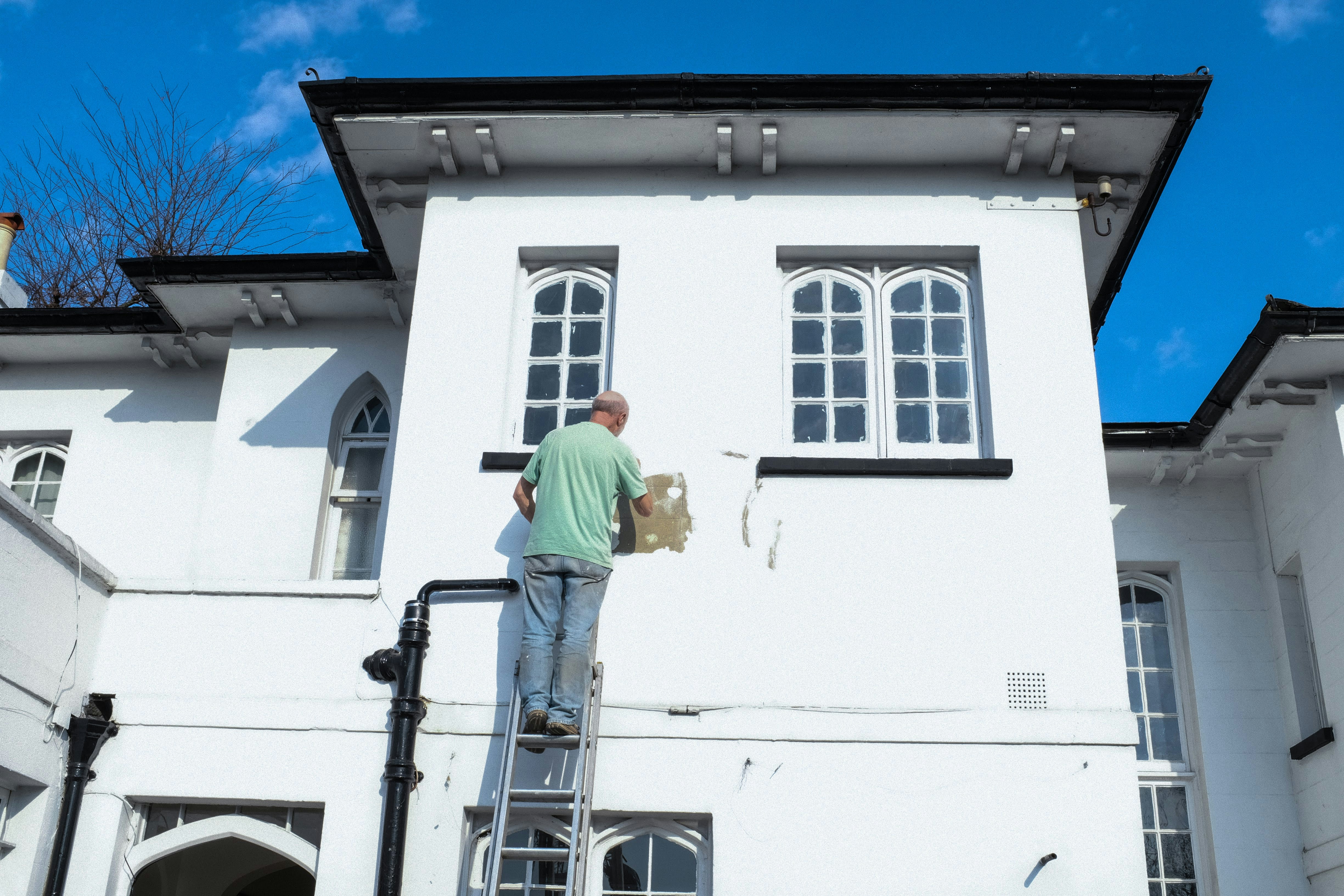
If you've checked the UK weather forecast this week, you'll already know what's coming. The Met Office and UKHSA issued heat-health alerts across England as high pressure built a southerly flow of hot air from the continent, with heatwave conditions developing across large parts of England and Wales. Current projections put highs in the low 30s°C by midweek, with the potential for 36°C in parts of East Anglia and the south-east by Thursday.
For most people, that means fans, cold drinks and finding shade. For anyone with a painting project on the go, DIY or professional, it means something else: paint is about to behave very differently to how it did last month.
As a decorator working across West London, I plan jobs around the forecast just as much as around the client brief. Here's what I look for, and what actually happens to paint once the temperature climbs.
Why Heat Is a Problem for Painting, Not Just People
Paint isn't designed to dry instantly. It needs time to level out, form a smooth film, and bond properly to the surface underneath. In a UK heatwave, that timeline gets thrown off in a few specific ways.
Flash drying. When both air temperature and surface temperature are high, the solvent or water in the paint evaporates far faster than normal. The surface skins over before the layer underneath has levelled, leaving visible brush marks and roller stipple that never quite smooth out.
Poor adhesion. A wall, door or exterior surface sitting in direct sun can be significantly hotter than the surrounding air. Paint applied to a surface that's too hot won't bond properly, which often shows up later as peeling or flaking, sometimes within weeks rather than years.
Lap marks. This is the classic heatwave painting problem. If the leading edge of your last stroke has already started to dry before you overlap it with the next one, you get visible stripes that no amount of extra coats will fix.
Blistering. On exterior work particularly, trapped moisture or solvent under a fast-drying top layer can cause small bubbles or blisters as it tries to escape. This is more common than people expect during a heatwave, especially on south-facing walls.
Best Time of Day to Paint in Hot Weather
During a heatwave, the difference between a good finish and a bad one often comes down to timing rather than technique.
- Early morning (before 10am) is generally best. Surface temperatures are lower and you get several hours of working time before direct heat sets in.
- Avoid direct midday and afternoon sun, particularly on south and west-facing exterior walls, which can reach surface temperatures well above the reading on your phone.
- Early evening can work for a second coat, once the worst of the heat has passed, but check the surface isn't still radiating heat before you touch it with a brush.
- Follow the shade around the building. On exterior jobs, I often plan the working order around the sun, moving to whichever elevation is currently shaded rather than sticking to a fixed sequence.
| Time of day | Conditions | Recommendation |
|---|---|---|
| Early morning (before 10am) | Cooler surface, lower sun | Best window for most jobs |
| Midday - mid afternoon | Peak heat, direct sun | Avoid, especially south/west walls |
| Early evening | Cooling surface, residual heat | Suitable for second coats, check surface first |
Painting Indoors in a Heatwave
It's not just exterior work that's affected. Indoor jobs come with their own heatwave-specific issues:
- Rooms with large south-facing windows can get hot enough to cause the same flash-drying problems as outdoor work
- Opening windows for ventilation, sensible for fumes and drying, can pull in hot, dry air that speeds drying too much
- Humidity swings from opening and closing windows throughout the day can cause inconsistent sheen across a wall
The fix is usually to work in the coolest part of the day, keep airflow gentle rather than direct, and avoid painting a wall that's in direct sun through a window.
Product and Paint Considerations
Not all paints handle heat the same way, and this is where trade experience makes a real difference. Water-based (emulsion) paints are generally more heat-sensitive than solvent-based ones, since water evaporates faster than oil-based solvents in high temperatures.
Trade ranges from brands like Dulux Trade, Farrow & Ball and Little Greene often have different working times and finishes, and knowing which product suits which conditions is exactly the kind of detail that separates a rushed DIY job from a professional one.
Decorator's tip: Check the technical data sheet for application temperature range before starting a job in a heatwave. Most paints have an upper limit, often around 30-35°C, beyond which the manufacturer doesn't recommend application at all.
When to Just Wait
Sometimes the honest answer is: don't paint today. If the forecast is showing 30°C-plus with direct sun on the surface you need to work on, pushing ahead often costs more time than it saves, once you factor in redoing lap marks or fixing adhesion failures.
A one or two day delay to catch cooler, more stable conditions is almost always cheaper than a callback.
Why This Is Where a Professional Decorator Earns Their Fee
Anyone can pick up a roller. The difference in a heatwave is judgement: reading surface temperature rather than just air temperature, knowing which product tolerates heat and which doesn't, planning the working order around the sun, and recognising when to stop rather than push through and create more work.
That's exactly the kind of decision-making EveroDecor brings to every job across West London, heatwave or not. If you've got a painting project you're weighing up against this week's forecast, get in touch and we'll tell you honestly whether it's a good week to start or worth holding off.
Frequently Asked Questions About Painting in a Heatwave
Can you paint in 30°C heat?
It's possible but riskier. Most paint manufacturers set an upper application temperature, often around 30-35°C, beyond which drying happens too fast for a smooth finish. Painting early in the morning or in shade is safer than direct midday sun at these temperatures.
What temperature is too hot to paint outside?
Most trade paint technical data sheets recommend against application above roughly 30-35°C, or when direct sun pushes surface temperature well above the air temperature. Check the specific product's data sheet, since water-based and solvent-based paints have different limits.
Why does paint show brush marks in hot weather?
In high heat, paint skins over on the surface before it has time to level out underneath. This flash drying leaves visible brush and roller marks that a slower, cooler drying process would normally smooth away.
What's the best time of day to paint during a UK heatwave?
Early morning, generally before 10am, gives the lowest surface temperatures and the longest working window before direct heat sets in. Avoid painting south or west-facing walls in direct afternoon sun.
Got a Painting Project to Fit Around This Week's Heatwave?
EveroDecor provides professional painting and decorating services across West London, with jobs planned around the forecast as well as the brief.
View Our Services